Making One Cloth Diaper Stash Work From Birth to Potty Training (Without Buying Everything Twice)
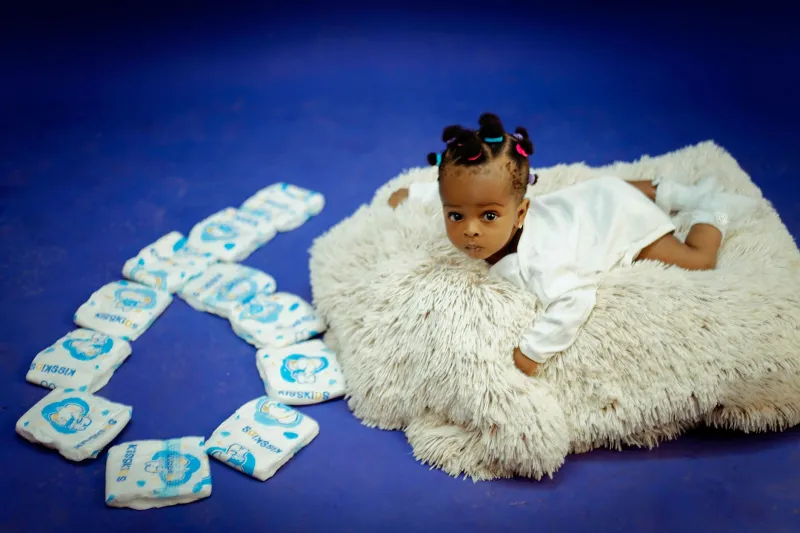
There's a version of the cloth diaper story that goes like this: you buy a stash, you use it for two and a half years, you sell it, and you come out way ahead financially. That story is true — but it glosses over all the moments in between where you're staring at a pile of diapers that suddenly don't fit and wondering where things went sideways.
The real cloth diaper timeline is messier, more interesting, and honestly more manageable than people make it sound. Here's what to actually expect.
The Newborn Phase: The Part Everyone Gets Wrong
Let's start with the decision that trips up more new cloth diaper parents than any other: whether to use cloth from day one.
Newborns are small. Like, really small. The average American newborn weighs about 7.5 pounds at birth, and many babies lose a little weight in the first week before they start gaining again. Most one-size cloth diapers — the kind designed to grow with your baby from infancy through toddlerhood — don't fit well until a baby hits somewhere between 10 and 12 pounds.
This creates a gap. And how you handle that gap has a real impact on your budget and your sanity.
Option A: Use disposables for the first few weeks. This is what a lot of cloth diaper families actually do, even if they don't advertise it. It's practical, it's low-stress during an already overwhelming time, and it doesn't make you any less of a cloth diaper parent.
Option B: Buy a small newborn cloth stash. Dedicated newborn diapers (brands like Thirsties, GroVia, and Newborn Bumgenius come to mind) fit much better on tiny babies. The catch is that most babies outgrow them in 6 to 10 weeks. You're buying diapers with a very short window of use.
Option C: Rent a newborn cloth diaper kit. This is genuinely underused and worth knowing about. Several cloth diaper retailers offer newborn rental programs where you pay a flat fee, use the diapers for 6–8 weeks, and return them. You get the newborn fit without the long-term cost.
If you're planning to have more than one child, buying newborn diapers makes more financial sense — the cost gets spread across multiple babies. If this is your only child, renting or using disposables in the newborn phase is often the smarter call.
The Bulk of the Journey: 3 Months to 18 Months
Once your baby hits that 10–12 pound mark, one-size diapers start to earn their keep. This is the sweet spot where your investment really pays off.
A typical one-size stash of 20–24 diapers runs somewhere between $300 and $600 depending on brand, and it should carry you through the rest of diapering with minimal additional spending. Pocket diapers, all-in-ones, and hybrid systems all have one-size options, and most of them fit reliably from around 3 months through 30+ months.
During this phase, your main job is maintenance: washing correctly, inspecting elastic and snaps periodically, and rotating your stash so no single diaper takes all the wear.
A few things worth knowing:
- Elastic degrades faster than the fabric. If your diapers start leaking around the legs after a year or two, it's usually the elastic, not the whole diaper. Many diapers can be repaired for a few dollars by someone who sews, or by sending them to a cloth diaper repair service.
- Inserts wear out before shells. If you're using pocket diapers, you'll likely replace microfiber inserts before you replace the shells. Bamboo and hemp inserts last longer.
- Sun drying extends the life of your stash significantly. UV exposure kills bacteria and prevents the elastic from breaking down as fast as it does in a hot dryer.
The Toddler Stretch: 18 Months to Potty Training
Here's where some parents get caught off guard. Toddlers are big. A 2.5-year-old in the 75th percentile for weight is pushing 30 pounds, and many one-size diapers start to feel genuinely snug in the rise and waist at that point.
Not all brands are equal here. Some one-size diapers have a generous cut that accommodates chunky toddlers without issue. Others max out earlier. If you're still in the shopping phase, it's worth reading reviews specifically from parents of older toddlers — not just newborn fit reviews.
If your child is still in diapers past age 2 and your one-size stash isn't cutting it, a small supplement of toddler-sized training pants or larger fitteds can bridge the gap without a full stash overhaul.
Maximizing Hand-Me-Downs
One of the underrated advantages of cloth diapers is that a well-maintained stash doesn't just serve one baby — it can serve two or three.
To keep your diapers in hand-me-down shape:
- Store clean, dry diapers away from direct sunlight (ironic, given the sun-drying advice above — just don't store them in a sunny spot long-term)
- Keep elastic in good condition; replace it between babies if needed
- Wash and sanitize thoroughly before reuse — a hot wash with a small amount of bleach is the standard recommendation for diapers going on a new baby
If your second child arrives before your first is potty trained, you'll need enough diapers to cover both kids simultaneously. Most parents in this situation either buy a second small stash or supplement with some disposables during the transition period.
When and Where to Sell Your Stash
When potty training is done, you have options — and this is where cloth diapers pay you back in a way disposables never can.
What you can expect to recoup:
- Budget brands (Alvababy, Nora's Nursery): $1–3 per diaper used, $3–5 nearly new
- Mid-range brands (Bumgenius, Grovia, Thirsties): $5–10 used, more for limited editions
- Premium brands (Nicki's Diapers, Lalabye Baby): $8–15 used depending on condition
Where to sell:
- Facebook groups like Cloth Diaper Swap and Fluff Classifieds are the most active US marketplaces
- Mercari and Poshmark work well for individual listings
- eBay is worth trying for larger lots or popular brands
- Local buy-nothing groups are great if you'd rather donate than sell
Timing matters. Selling right after potty training — when diapers are still in good shape and you can speak to their condition — gets you better prices than waiting until they've been sitting in storage for a year.
The Honest Math
A family that buys a $400 one-size stash, uses it for two kids, and sells it for $150 has spent $250 on diapers across roughly five years of diapering. Compare that to the average American family spending close to $2,500 on disposables per child, and the financial case makes itself.
The key is being strategic from the start: don't overbuy newborn sizes, invest in quality for the one-size phase, take care of your diapers like the long-term asset they are, and sell intentionally when the time comes.
Cloth diapers are one of the rare baby products that actually hold value. That's worth planning around.