Cloth Diaper Myths That Are Quietly Draining Your Wallet
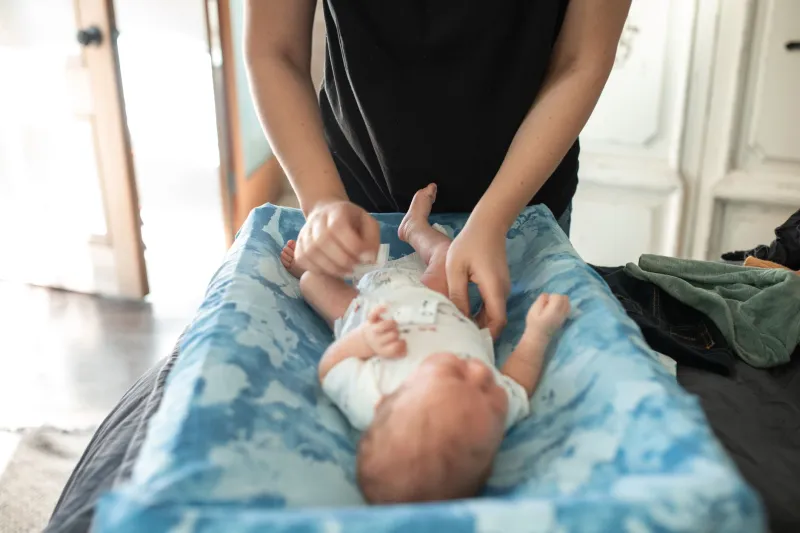
Cloth diapering is supposed to save you money. And it genuinely can — by a lot. But there's a version of cloth diapering that costs just as much as disposables, and it's the version built on bad information. Misinformation in the cloth diaper world is everywhere: in Facebook groups, in well-meaning blog posts, in the marketing copy of brands that benefit from you buying more stuff.
Some of these myths are harmless. Others will quietly drain your bank account while making you feel like you're doing everything right. Let's go through the ones that matter most.
Myth #1: You Need at Least 30 Diapers to Make Cloth Work
This number gets thrown around constantly, and it causes a lot of new parents to spend $400 or $500 before they've even tried cloth diapering to see if they like it. The truth is that the right stash size depends almost entirely on how often you're willing to do laundry.
A family that washes every other day can function comfortably with 18 to 24 diapers. Wash every day and you can get by with even fewer. The "30 diapers" recommendation tends to come from sources that are either overly cautious or, frankly, trying to sell you diapers.
Start with 10 to 12 diapers as a trial. Use them alongside disposables if you want. See what fits your life before you go all-in on a full stash.
Myth #2: All Cloth Diapers Work the Same, So Just Buy Whatever's Cheapest
This myth goes in the opposite direction — and it's just as costly in the long run. Cheap diapers from unknown brands on Amazon can seem like a great deal until they start leaking at six weeks, fall apart after 40 washes, or develop an ammonia smell that won't wash out.
You don't need to buy the most expensive diapers on the market. But buying based on price alone usually means buying twice. A mid-range diaper from a reputable brand — brands like Thirsties, GroVia, or Bumgenius have long track records in the US market — will outlast several rounds of budget diapers and hold its resale value if you decide to sell later.
The secondhand market is also worth mentioning here: quality used diapers from trusted brands often cost less than new budget diapers and perform significantly better.
Myth #3: You Need Specialty Detergent Made for Cloth Diapers
This one has a financial impact that sneaks up on people. Specialty cloth diaper detergents are heavily marketed in the cloth diaper community, and some of them cost two to three times what you'd pay for a mainstream detergent.
Here's what the evidence actually shows: plain, fragrance-free detergents like Tide Free & Gentle or Seventh Generation Free & Clear work well for most cloth diapers when used correctly. The key variables are using enough detergent (under-dosing is actually a more common problem than over-dosing), washing in warm or hot water, and doing a rinse cycle.
The cloth diaper–specific detergent market exists partly because of genuine early misinformation about what would void diaper warranties, and partly because it's a profitable niche. For most families, a mainstream free-and-clear detergent is all you need.
Myth #4: You Have to Use Diaper Liners to Protect Your Diapers
Disposable liners are sold as a must-have accessory for dealing with solid waste. And they can be convenient. But "must-have" is a stretch.
Reusable fleece liners do the same job, cost a few dollars for a pack, and last the entire diapering journey. For breastfed babies, you don't even need liners at all — breastfed baby poop is water-soluble and goes straight into the wash without any special treatment.
If you're buying a new box of disposable liners every month, that's $10 to $15 you're spending that doesn't have to be spent.
Myth #5: If You're Having Leaks, You Need Different Diapers
This myth is expensive because it sends parents on a purchasing spiral. Leaks mean something's wrong, so they buy a new brand, and if that leaks too, they buy another. Before long they've spent hundreds of dollars troubleshooting a problem that almost never requires new diapers.
The vast majority of cloth diaper leaks come from fit issues, absorbency problems from detergent buildup, or the wrong diaper style for the baby's body shape. All of these are solvable without buying anything new. Adjusting the rise snaps, stripping the diapers, or adding an insert are usually all it takes.
Before you buy, troubleshoot. The Cloth Diaper Convert community has resources specifically for diagnosing leaks — use them before you spend.
Myth #6: You Need a Diaper Sprayer to Make Cloth Diapers Manageable
Diaper sprayers are a nice-to-have, not a necessity. They run $30 to $60 and require installation on your toilet. Plenty of cloth diaper families manage just fine without one.
For exclusively breastfed babies, no sprayer is needed at all. For older babies eating solids, a simple "dunk and swish" in the toilet works, as does a spatula designated for diaper use (yes, really — many parents swear by it). Sprayers become genuinely useful for some families, but marketing them as essential gear inflates your startup costs unnecessarily.
Myth #7: Cloth Diapering Is All-or-Nothing
This might be the most damaging myth of all, not because it costs money directly, but because it causes parents to quit entirely when they can't maintain a perfect cloth diaper record.
There is no cloth diaper police. Using disposables at night, on travel days, or during illness doesn't disqualify you from being a cloth diaper family. Even part-time cloth use reduces your disposable diaper spending and environmental footprint significantly.
A hybrid approach — cloth at home, disposables on the go — is how a lot of American families actually use cloth diapers in practice. It's a completely valid choice, and it's one that keeps you from burning out and abandoning cloth altogether.
The Bottom Line
Most of the expenses that make cloth diapering feel as costly as disposables trace back to one of these myths. Strip away the misinformation, and cloth diapering is genuinely, substantially cheaper — and a lot simpler than the internet makes it seem.