Top-Load or Front-Load: Which Washing Machine Actually Cleans Cloth Diapers Better?
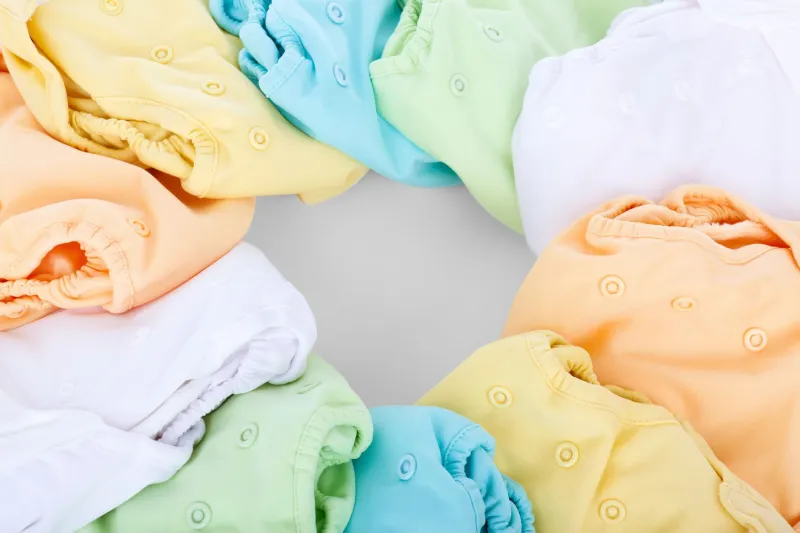
When you make the switch to cloth, you spend a lot of time thinking about diapers—which brands to buy, how many to stock, what inserts to use. What you probably don't spend much time thinking about is your washing machine. And yet, that appliance sitting in your laundry room is quietly running the whole show.
The truth is, not all washing machines handle cloth diapers the same way. The type of machine you own affects how well detergent distributes, how much water actually contacts your diapers, and even how long your stash holds up over time. Let's break it down.
The Big Picture: What Makes a Cloth Diaper Wash Actually Work
Before we get into machine types, it helps to understand what a successful cloth diaper wash actually requires. You need three things working together: mechanical agitation (to physically loosen soil), enough water (to dilute and rinse away waste and detergent), and the right detergent concentration. Mess with any one of those, and you'll start seeing problems—smells, buildup, rashes, or diapers that just don't feel clean.
That's the lens through which you should evaluate your machine. It's not about brand loyalty or which appliance costs more. It's about how well your specific washer delivers on those three fundamentals.
Top-Loaders: The Classic Setup
Traditional top-loading machines—the kind with a central agitator post in the middle of the drum—have been the go-to for cloth diaper families for decades, and for good reason. They use significantly more water than front-loaders, which means better dilution and more thorough rinsing. That extra water is genuinely helpful when you're trying to flush out ammonia, bacteria, and detergent residue.
The agitator also does real mechanical work. It moves diapers around aggressively, which helps loosen soiling in a way that gentler machines sometimes can't match.
The downside? That same agitator can be rough on diapers over time, especially on covers and pocket shells with elastic and PUL fabric. If you're running heavy-duty cycles back to back for years, you may notice elastic wearing out or delamination starting sooner than you'd like.
High-efficiency (HE) top-loaders—the ones without an agitator—are a different story. They use much less water and rely on a tumbling motion to clean. This is where many cloth diaper parents run into trouble. Less water means less dilution, and without an agitator, diapers can clump together and not get fully saturated. You may need to manually add water (many machines have a "deep fill" or "extra water" option) or run an extra rinse cycle to compensate.
Front-Loaders: Great Machines, Specific Quirks
Front-loading washers are energy-efficient, gentle on fabrics, and genuinely excellent at cleaning most laundry. For cloth diapers, though, they come with a learning curve.
The biggest issue is water volume. Front-loaders are designed to sense the load size and use the minimum water needed. That's great for your utility bill, but it can leave cloth diapers under-rinsed. Parents with front-loaders often report more residue buildup and lingering odors compared to those with traditional top-loaders—not because the machines are bad, but because they weren't designed with heavily soiled items in mind.
The fix is usually pretty simple: add a wet towel or two to the load to trick the machine's sensors into using more water, or use the "bulky" or "sanitize" cycle setting if your machine has one. Many front-loader owners also do a cold pre-rinse, then a hot main wash, then an extra rinse—and that routine works really well once you dial it in.
Another front-loader quirk worth mentioning: the door gasket. That rubber seal around the door can trap moisture and develop mold or mildew, which can transfer odors to your diapers. Wipe it dry after every wash and leave the door ajar between cycles.
Water Temperature: What Your Machine Needs to Do
Regardless of machine type, hot water is your friend for the main wash cycle. Most cloth diaper manufacturers recommend washing at 140°F (60°C) to sanitize effectively. Check whether your machine actually reaches that temperature—many HE machines cap out lower than their settings suggest. A simple thermometer in the drum can tell you what you're actually working with.
If your machine doesn't get hot enough, you can compensate by choosing a detergent that performs well at lower temperatures, or by running a sanitize cycle periodically.
Detergent Distribution: A Surprisingly Big Deal
How your machine handles detergent matters more than most people realize. Front-loaders and HE top-loaders typically have a detergent drawer that releases product at a specific point in the cycle. Traditional top-loaders let you add detergent directly to the drum before or after adding clothes.
For cloth diapers, you generally want to add detergent before the diapers go in (or use the drawer as designed) so it has time to dissolve fully. Undissolved detergent sitting on fabric is a major cause of residue buildup and irritation. If you're using powder detergent—which many cloth diaper experts prefer—make sure it's fully dissolved before your diapers hit the water.
Troubleshooting Your Specific Setup
Still getting stink even after adjusting your routine? Run a strip wash (a series of hot rinses until the water runs completely clear) to reset your diapers and start fresh. If you're in a hard water area, that mineral buildup can interfere with both detergent performance and fabric absorbency—a water softener additive like Calgon can make a real difference.
If your diapers are coming out with a barn-like ammonia smell, you likely need more water or more detergent. If they smell like detergent or feel stiff, you need more rinsing. Use those clues to adjust one variable at a time.
The Bottom Line
Neither machine type is a dealbreaker. Plenty of cloth diaper families get great results with front-loaders, HE top-loaders, and traditional agitator machines alike. The key is understanding what your specific machine does well and where it needs a little help. Once you crack your wash routine, it becomes second nature—and your diapers will last longer for it.